Inside Zone Blocking Scheme: Rules, Techniques, and Coaching Points
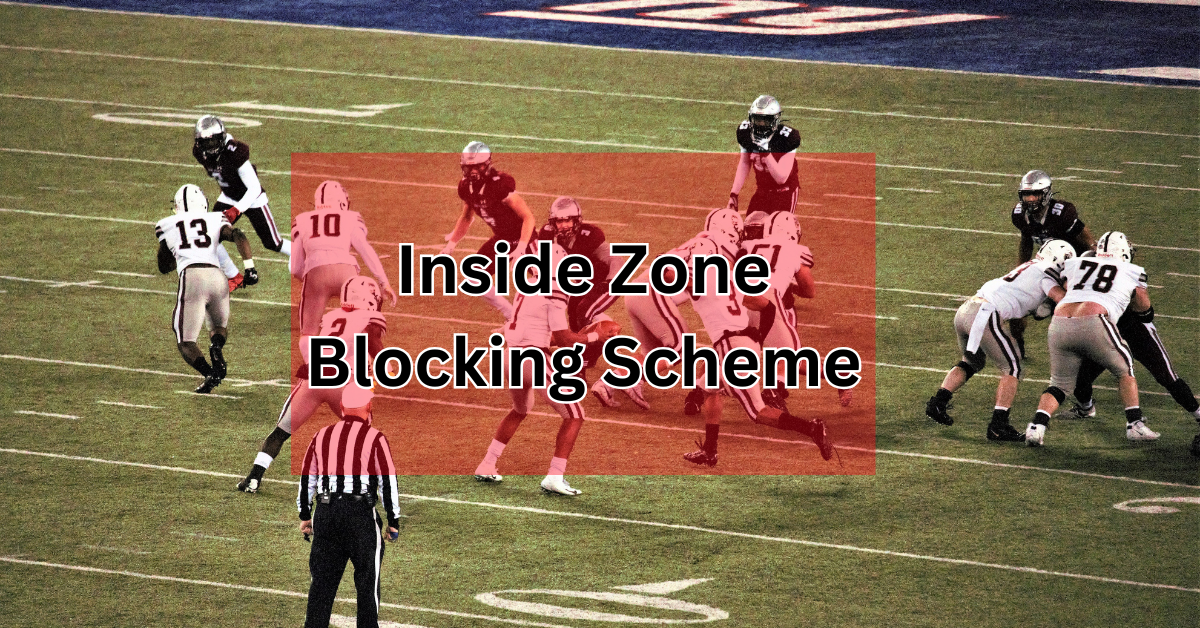
The Inside Zone Blocking Scheme is one of the most effective and widely used run concepts in football. It is simple, physical, and adaptable to almost any offensive system. Whether you are running it from under center, shotgun, pistol, spread, or multiple tight end formations, Inside Zone gives your offense a downhill run play that can attack the defense directly.
Inside Zone Blocking Scheme: Rules, Techniques, and Coaching Points
Inside Zone is not just a play—it is a run game philosophy. It teaches offensive linemen to work together, create movement at the point of attack, and adjust to different defensive fronts. When coached properly, Inside Zone can become the foundation of your entire offense.
What Is the Inside Zone Blocking Scheme?
The Inside Zone Blocking Scheme is a run concept where the offensive line blocks an area rather than one specific defender. The goal is to create vertical movement and give the running back a clear read based on how the defense reacts.
Unlike gap schemes, where blockers usually have specific down blocks, pullers, or kick-out assignments, Inside Zone is built around zone steps, double teams, and climbing to linebackers.
The running back is usually aiming for an inside track, often toward the play-side A-gap or B-gap. However, the ball can hit in multiple places depending on how the blocks develop.
Inside Zone gives the running back three basic options:
Bang: Hit the play-side gap downhill.
Bend: Cut the ball back behind the flow of the defense.
Bounce: Take the ball outside if the defense collapses inside.
That flexibility is what makes Inside Zone so difficult to stop.
Coach Drayson’s Playbook: Essential Passing Concepts
Benefits of the Inside Zone Play
The Inside Zone Play gives your offense several major advantages. The best advantage is that you can build you offense around the play- you only have to teach one blocking scheme!
First, it is great against multiple defensive fronts. Because the offensive line is blocking zones instead of chasing specific defenders, Inside Zone can adjust to odd fronts, even fronts, shaded fronts, and movement from the defense.
Second, it helps your offensive line play together. Inside Zone teaches linemen how to communicate, combo block, and work from the defensive lineman to the linebacker. This builds chemistry and makes your offensive line more consistent.
Third, Inside Zone is a downhill, physical run concept. It allows your offense to attack the defense vertically and force defenders to fit their gaps with discipline. If the defense over-pursues, the running back can cut back and make them pay.
Fourth, it pairs very well with play-action, RPOs, and quarterback reads. Defenses must respect the inside run, which opens up throws behind linebackers and gives your quarterback simple answers.
Finally, Inside Zone is great for
Coaching Points for Inside Zone
Here are key coaching points that will help your team execute Inside Zone more consistently:
No penetration. The offensive line must stop defensive linemen from crossing their face and getting into the backfield.
Stay square. Linemen should avoid turning their shoulders too early. Staying square allows them to adjust and handle movement.
Work together. Combo blocks are the heart of Inside Zone. Linemen must communicate and feel when to come off to the linebacker.
Do not chase linebackers too early. Secure the defensive lineman first. A great linebacker block does not matter if the defensive tackle is in the backfield.
Running back must press the track. The back has to make the defense commit before making his cut.
One cut and go. Inside Zone is not a dancing play. The back must get downhill.
Finish blocks. Inside Zone requires effort, toughness, and strain. Linemen must run their feet and finish through the whistle.
Common Mistakes When Running Inside Zone
One of the biggest mistakes is poor first steps by the offensive line. If linemen step too wide, step backward, or cross over, they lose power and balance.
Another common mistake is leaving double teams too early. Young offensive linemen often want to climb to the linebacker right away. The problem is that this allows defensive linemen to split the combo block and disrupt the play.
Running backs also make mistakes by bouncing too early. Inside Zone is designed to hit downhill. If the back immediately runs sideways, the defense can rally and make the tackle.
Another issue is poor communication. The offensive line must identify fronts, understand who is covered and uncovered, and work together. If linemen are not on the same page, Inside Zone becomes very difficult to execute.
Playbook: Inside & Outside Zone Playbook
Final Thoughts
The Inside Zone Blocking Scheme is one of the best run concepts in football because it gives your offense structure, physicality, and flexibility. It teaches offensive linemen to work together, creates downhill running lanes, and gives the running back multiple options based on how the defense reacts.
To run Inside Zone successfully, your team must master the fundamentals: proper first steps, strong double teams, good communication, disciplined running back reads, and physical finishes. When coached the right way, Inside Zone can become a core play in your offense and a reliable way to control the line of scrimmage.